
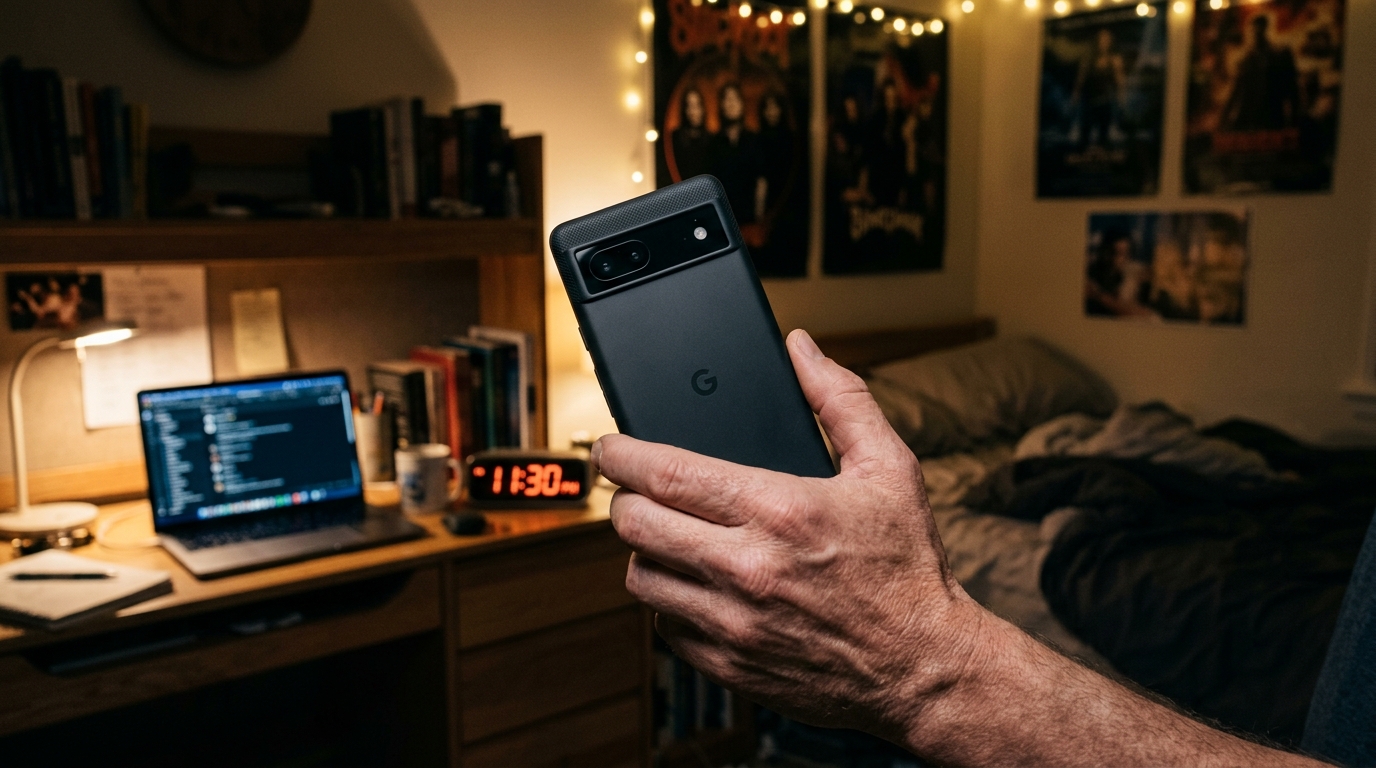
The 11:30 PM Notification Dilemma
Imagine this scenario: It is almost midnight. The house is quiet, and you assume your teenager is fast asleep in their room. Suddenly, a bright notification illuminates their nightstand. The screen displays an incoming message from a completely unrecognized contact. If you are trying to piece together a complete picture of your household's digital safety, relying on a single tool or a physical location ping simply is not enough. Seen: WA Family Online Tracker is a parental monitoring app designed specifically for parents and families to monitor WhatsApp and Telegram online status and last seen activity directly, serving as a core component of a modern app family safety strategy.
As a software developer who spends my days building natural language processing tools and conversational AI, I analyze communication patterns for a living. I look at when people interact, how long their sessions last, and what platforms they prefer. What I've observed in my professional circles is that parental anxiety is rarely about the technology itself; it is about the blind spots that technology creates.
Why Are Unrecognized Numbers Causing So Much Friction?
The sheer volume of digital noise targeting personal devices has reached unprecedented levels. This isn't just anecdotal. According to Truecaller's 2023 data, Americans wasted an astonishing 221 million hours dealing with spam calls, with over 2 billion spam calls identified in the US alone. Furthermore, a YouGov survey conducted in early 2024 highlighted a massive spike in anxiety related to unrecognized calls and texts over the past five years.
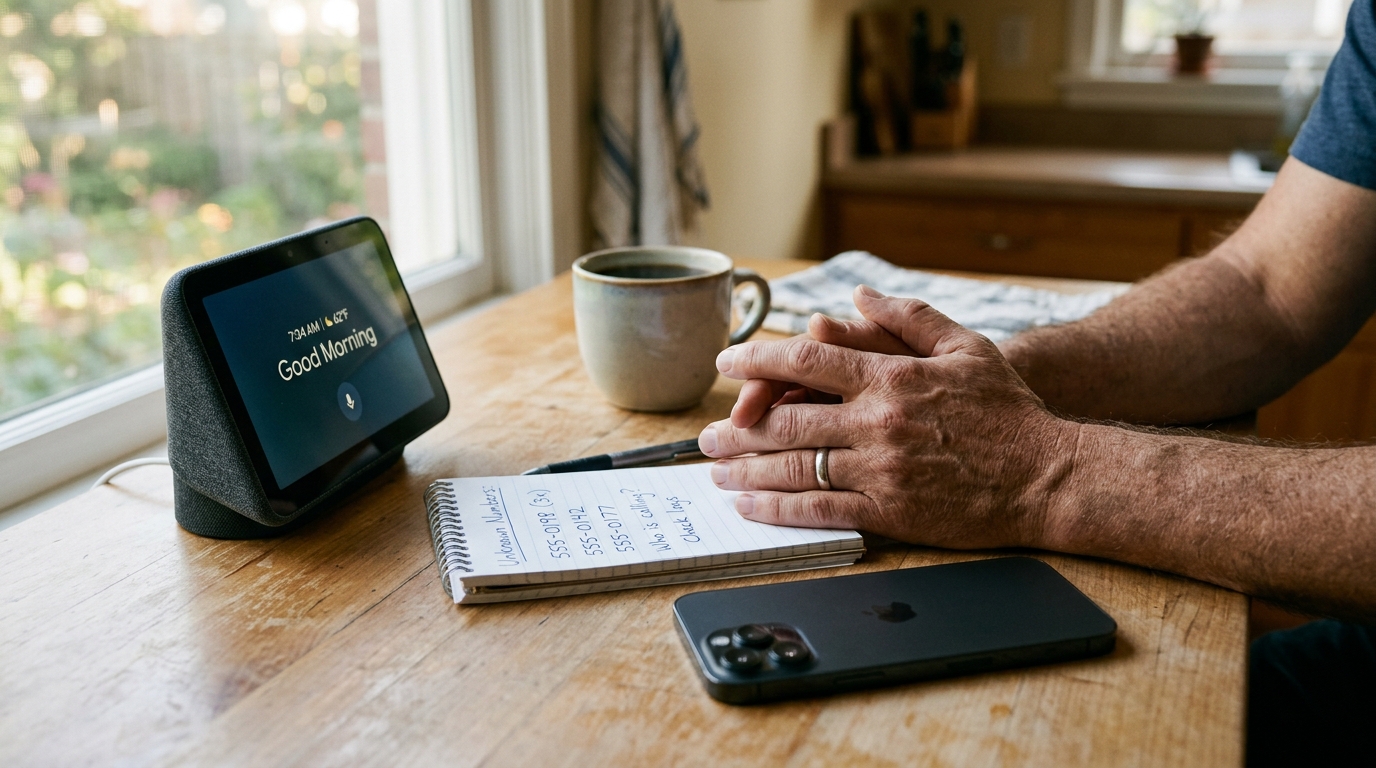
Faced with this barrage of unknown contacts, a parent's first instinct is usually reactive. You might scramble to find a free cell phone number lookup with name no charge service online. You type the mystery digits into a search bar, hoping a quick free telephone look up will reveal whether the contact is a harmless school friend or a persistent spammer.
However, basic public records often fall short. Data aggregators like Spokeo—which typically cost around $20 to $25 a month according to recent industry pricing reviews—might provide an identity, but they do not provide context. Knowing who owns a number does not tell you if your child is actively chatting with them at 2 AM.
Bridging the Gap Between Physical and Digital Safety
When we talk about an app family safety protocol, most people immediately think of GPS tracking. If you are already using a life360 app, you know the comfort of seeing your child's avatar safely reach the school zone or soccer practice.
But what happens when they are physically safe in their bedroom, yet digitally roaming across global messaging platforms? A physical location tracker cannot tell you if they are secretly bypassing bedtime routines via Telegram Web or hiding their status on WhatsApp. This is the exact problem that requires a dedicated parental monitoring app focused on activity timing rather than just physical coordinates. My colleague Tolga Öztürk highlighted this transition recently, noting that isolated searches must eventually evolve into integrated awareness tools.
Understanding Seen: WA Family Online Tracker
We built Seen because we realized that communication timing is often more revealing than the communication content itself. By analyzing the "last seen" and "online" status patterns directly on WhatsApp and the Telegram app, parents can establish whether bedtime rules are being followed without having to confiscate devices or read private messages.
Here is how practical app selection criteria break down for this specific tool:
- Ease of Setup: No complex installation on the target device is required. It works by analyzing public availability statuses.
- Platform Coverage: It captures activity regardless of whether the user is typing on their phone, using WhatsApp Web on a laptop, or chatting via Telegram Web.
- Respect for Privacy: It logs when someone is active, not what they are saying. This distinction is crucial for maintaining trust with older teenagers.
For context on how these targeted tools fit into a broader ecosystem of applications, you can explore the suite of ParentalPro Apps, which includes various solutions aimed at improving digital interactions.
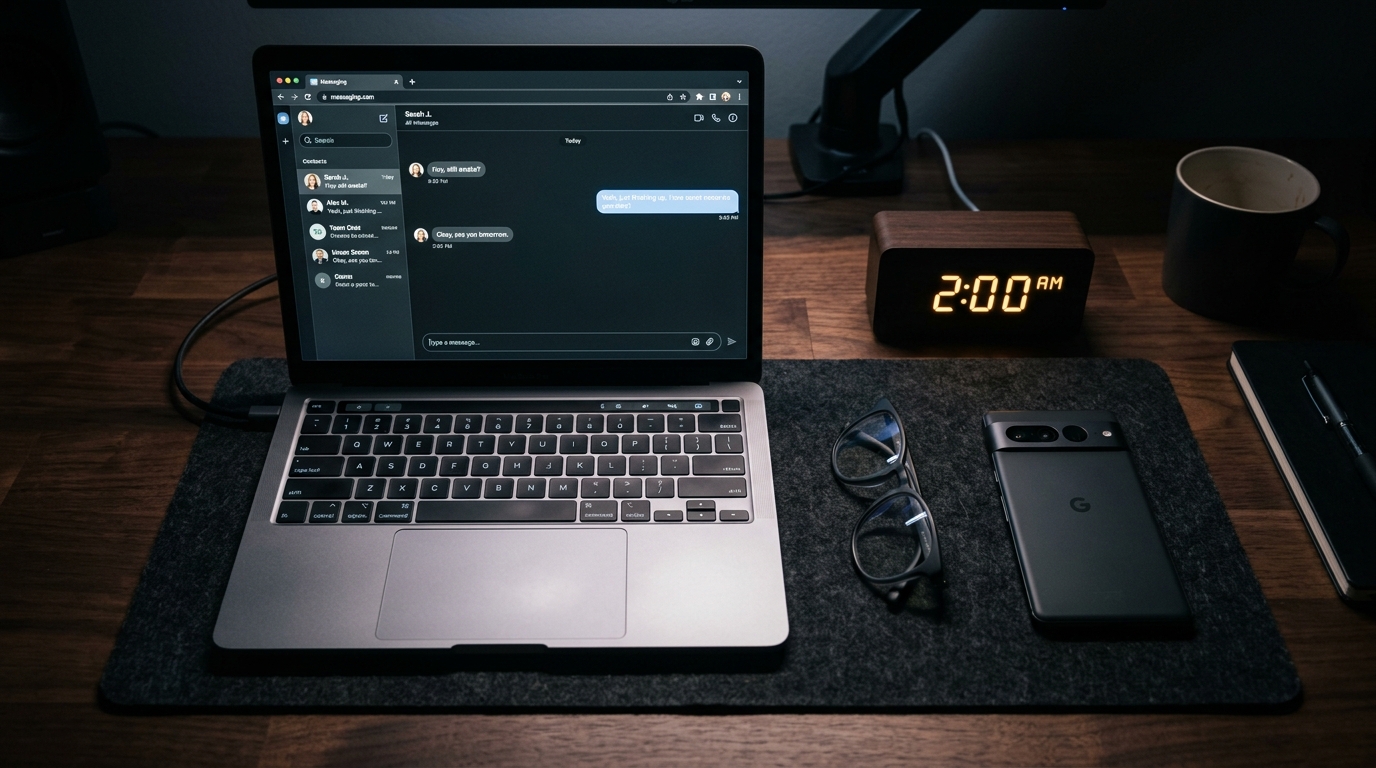
Who is this app actually for?
Seen is built specifically for parents, guardians, and families who want to coordinate their digital availability and ensure healthy screen-time habits. It is ideal for the mother who wants to verify her son isn't staying up until 3 AM playing games while simultaneously chatting with friends on his phone.
Who is this NOT for?
Let me be incredibly clear: this tool is not designed for unauthorized surveillance. It is not for tracking a spouse, spying on coworkers, or stalking ex-partners. If your goal is covert espionage, this is the wrong application for you. We strongly advocate for open conversations about digital boundaries alongside the use of any monitoring software.
Taking Action: Constructing a Comprehensive Safety Framework
Families are no longer relying on a single isolated tool to understand the digital environment. As Elif Şahin previously noted regarding family search trends, the modern approach requires layering different types of awareness.
You might still use a reverse number search to identify a persistent caller. You will likely keep your location-sharing app active for physical logistics. But if you want to ensure that late-night digital curfews are respected—and that your family's messaging habits are healthy—Seen's activity tracking is designed precisely for that outcome. By understanding the rhythm of when your household connects to the digital world, you can finally turn off the lights with genuine peace of mind.