

By the time an app reaches its first 50,000 users, certain patterns stop looking like coincidences. One of the clearest lessons we have seen is this: people rarely begin with monitoring tools. They usually begin with a simple question about a number, a contact, or a change in online behavior. That is why searches like reverse phone number lookup, reverse phone number search free, reverse number look up, and phone lookup often appear at the very start of a much bigger family-awareness journey.
That journey matters because a phone number search answers one kind of question, while ongoing activity context answers another. A reverse lookup is typically used to identify who may be behind a number. A last seen and online tracking uygulama, by contrast, helps families understand patterns over time on WhatsApp and Telegram. The two are related, but they are not the same.
For Seen: WA Family Online Tracker, an app built for adults who want direct visibility into WhatsApp and Telegram last seen behavior on mobile platforms, the 50,000-user mark revealed less about hype and more about intent. Parents, co-parents, and family coordinators were not asking for complicated dashboards. They wanted fewer guesses, clearer timelines, and a more grounded way to understand digital routines.
What people actually do before they install a family monitoring app
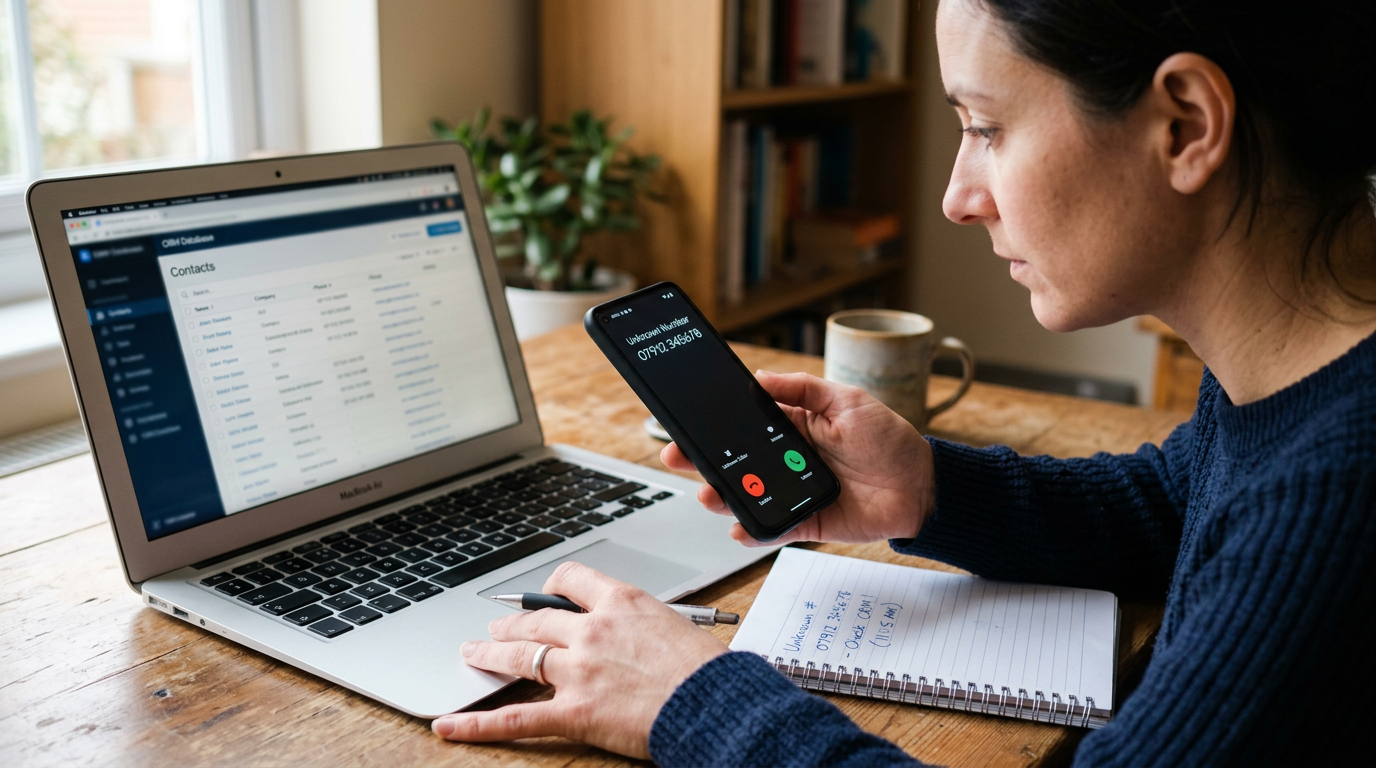
Early user feedback points to a familiar sequence. First comes uncertainty: an unknown number, a suspicious contact pattern, or sudden changes in someone’s availability. Then comes search behavior. Many users try a reverse phone number search free tool or a basic phone lookup before they ever consider a parental monitoring app or family safety app.
That lines up with broader market behavior. A 2026 review published by MobileAppDaily evaluated 14 reverse phone lookup sites and noted that users compare them heavily on three things: accuracy, price, and features. Some services are fully free, but the same review also points out an important limit: free options often provide shallower data depth. In practice, that means a reverse number look up may tell you whether a number is recognized, reported, or loosely associated with a person or business, but it may not answer what happened next.
That gap is where user expectations often shift. Identifying a caller is useful. Understanding repeated last seen windows, late-night activity bursts, or unusual WhatsApp and Telegram seen patterns is a different task entirely.
The 50,000-user milestone is less about scale and more about repeated behavior
Milestones are easy to frame badly. A big number can sound self-congratulatory if it is not connected to something useful. The more interesting point is what repeated behavior teaches.
Across early users, a few themes kept resurfacing:
- People want context, not just alerts.
- Families often compare online habits over days or weeks, not minutes.
- Users who begin with a free phone number search often move on because identity alone does not explain behavior.
- Parents are less interested in surveillance language than in routine awareness and timing.
That last point is especially important. Terms like parental control, parental controls app, and parental monitoring app can imply broad device control, content blocking, or location-first tracking. But not every family is looking for an all-in-one system. Some do not need an android phone finder. Others are not trying to replace broader digital-safety tools. They simply want a direct way to understand last seen and seen tracking for messaging habits on whatsapp and telegram.
Why reverse phone number lookup remains the first step for many users
A reverse phone number lookup is appealing because it is immediate. You enter a number and hope to learn whether it belongs to a real person, a business, a telemarketer, or a scam source. According to a 2026 overview from Top10.com, reverse phone lookup helps users identify unknown numbers in seconds and decide whether to answer, block, or report a call. The article also makes a broader observation: phone numbers increasingly function like a form of personal ID.
That explains the search demand. When people type search up phone number or phone number search, they are often trying to lower uncertainty quickly. But quick identification has a hard boundary. It is a snapshot, not a pattern.
Practical scenario: a parent notices a previously unknown contact appearing in a teen’s messaging history. A reverse phone number search free may help identify whether that number is tied to a business, spam record, or public profile. If the concern is whether late-night contact is recurring, or whether online windows suddenly changed, a lookup alone will not answer it. Pattern-based observation becomes more useful than one-time identification.
Where Seen fits, and where it does not
Seen: WA Family Online Tracker is a mobile app designed for adults who want direct last seen and online-status tracking for WhatsApp and Telegram on supported mobile devices. It is most relevant for parents, co-parents, and family members who care about routine awareness rather than broad device lockdown.
Who benefits most: adults tracking communication timing patterns, families trying to understand digital routines, and users who need a focused alternative to heavier parental controls.
Who this is not for: people looking for a full device management suite, employers monitoring staff, or anyone expecting a reverse phone directory that reveals complete identity details from a number alone.
That distinction matters because many users compare categories that only partly overlap. Someone searching lifeapp 360 or life 360 app may really want location coordination. Someone looking into broad parental control app options may want screen limits, web filtering, or app blocking. Someone exploring generic alternatives to tools like qustodio may want centralized controls across devices. Seen is narrower by design: it focuses on last seen, online timing, and usage pattern visibility for whatsapp and telegram, including situations where people also use whatsapp web or telegram web and want a clearer view of activity windows.
If your goal is to understand when communication activity happens rather than manage every part of a phone, Seen’s focused tracking model is designed for that.

A better way to choose between phone lookup tools and monitoring tools
People often compare the wrong things. A reverse lookup service and a messaging activity tracker solve different problems, so the better question is not which one is “best,” but which one matches the decision you need to make.
| Need | Best starting point | Main limitation |
|---|---|---|
| Identify an unknown caller | Reverse phone number lookup | May not explain repeated contact behavior |
| Check if a number has public spam or caller data | Reverse phone number search free | Free results can be incomplete |
| Understand online patterns over time | Last seen tracking tool | Does not replace identity databases |
| Manage screen limits and device rules | Parental controls app | May be too broad for users who only need messaging insight |
This is one reason the reverse phone number lookup market keeps expanding. A market report from Data Library Research described the global reverse phone number lookup market as an active category with trend analysis spanning historical data from 2018 through 2020 and CAGR projections through 2029. Even without a single headline figure in the summary, the takeaway is clear enough: identity-focused phone search is not a niche behavior. It is a stable software category because uncertainty around callers remains common.
The most useful feedback was not about features
At the 50,000-user point, some of the strongest lessons were behavioral rather than technical.
Users repeatedly described relief when they could replace vague assumptions with timestamps and patterns. Not because every pattern means something dramatic, but because ambiguity tends to create bigger stories than the data does. A family member being last seen late at night might point to stress, study habits, timezone differences, or a new social rhythm. Data does not settle every concern, but it can stop people from guessing in the dark.
That may also explain why narrowly focused tools keep finding an audience. Generic solutions often promise everything: location, blocking, reports, filters, device controls, and more. For some families that is useful. For others, it is too much overhead for a simpler question. A focused tool can be easier to interpret because it tracks one area clearly instead of ten areas vaguely.
A few practical questions people ask along the way
Does a reverse number look up tell me if someone is active on messaging apps?
No. It may help identify a number or show public/spam-related records, but it generally does not provide ongoing whatsapp or telegram activity patterns.
Are free phone lookup tools enough?
Sometimes. For basic identification, yes. For deeper verification or pattern analysis, free tools often run into data limits.
Is this the same as lifeapp 360 or a location-sharing tool?
Not really. A life 360 app style tool is mainly about location and movement. Seen focuses on last seen and online activity timing in messaging environments.
What if I only need this for one specific concern?
That is often the best use case. Start with the narrowest tool that matches the question. If you need identity, start with a phone lookup. If you need timing patterns, use a monitoring tool built for that specific layer.
What this milestone suggests about the category
The first 50,000 users did not point to a demand for more noise. They pointed to demand for clearer distinctions. People need to know whether they are trying to identify a caller, verify a number, understand messaging behavior, or manage a device. Those are related tasks, but they should not be confused.
That is also why the most sensible approach is often sequential. Start with a phone lookup or reverse phone number search free when the problem is identity. Move to pattern-based tools when the problem is recurring behavior. Use full parental controls only when device-wide management is actually necessary.
For readers comparing options across family safety app categories, that clarity is worth more than another feature checklist. And for a product team, hitting a milestone is useful only if it sharpens the product’s purpose. In this case, the lesson is straightforward: many families do not need more data everywhere. They need the right data in the right place.
Seen: WA Family Online Tracker sits inside a broader app ecosystem from ParentalPro Apps, but its role is intentionally specific. It is there for families who want direct visibility into last seen behavior on messaging platforms, not an oversized control panel for every digital concern.
And that may be the most credible milestone of all: not that people installed it, but that their behavior kept confirming the same need.